Local gardeners for tight access gardens in Dulwich Village
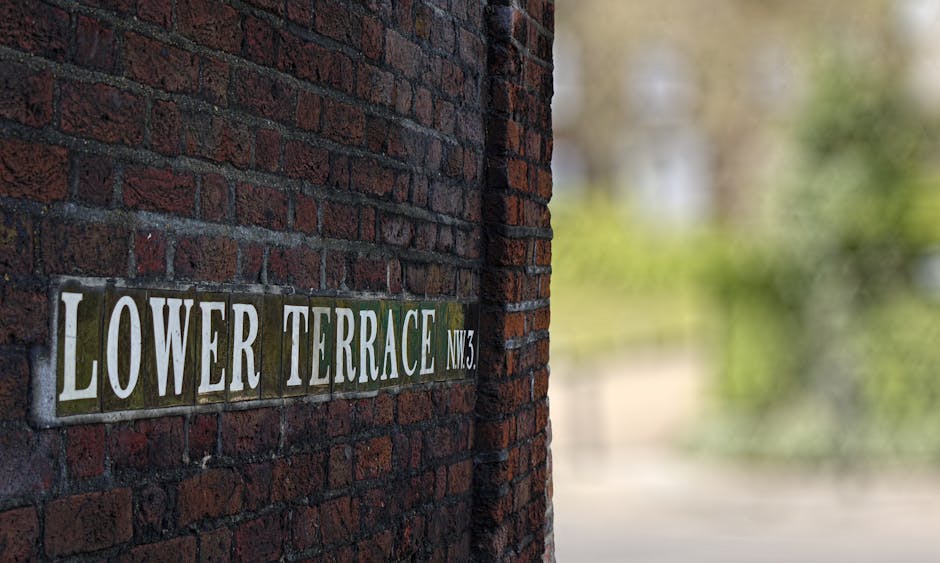
If you have a garden that looks lovely from the back door but turns into a bit of a puzzle once a mower, hedge trimmer, or wheelbarrow needs to get through it, you are not alone. Local gardeners for tight access gardens in Dulwich Village deal with exactly this kind of challenge every day: narrow side passages, shared entrances, steep steps, awkward corners, and those charming old London layouts that were never really designed for modern garden machinery. The right team makes all the difference. Not by brute force, but by planning, patience, and using the right method for the space.
This guide explains what tight-access gardening actually involves, how it works in a Dulwich Village setting, what good service looks like, and how to avoid the common mistakes that lead to damaged plants, scratched paving, or a job that takes twice as long as it should. If you are weighing up whether to bring in help, or simply want a better sense of what to ask for, you are in the right place.
Why Local gardeners for tight access gardens in Dulwich Village Matters
Dulwich Village has a very particular feel: established homes, mature planting, compact access points, and gardens that often reward careful hands more than heavy machinery. A tight access garden is not just a small garden. It is a space that is hard to get into safely and efficiently. That might mean a rear garden only reachable through the house, a side alley too narrow for standard kit, or a courtyard with delicate paving and limited turning room.
Why does that matter? Because the wrong approach can quickly create problems. A bulky mower can mark stonework. A heavy clearance load can block the passage for hours. Over-eager pruning can damage plant structure when you actually needed precision. Let's face it, garden work in a cramped space is less about speed and more about judgement.
Local gardeners with experience in these conditions understand the practical realities of the area. They know that access affects everything: how tools are brought in, how waste is removed, how long a task takes, and even whether a particular job should be split into stages. That local awareness is worth a lot, especially where homes are close together and a small mistake is suddenly everyone's problem.
If you are already exploring broader support for your outdoor space, it can help to look at the wider range of garden services overview and ongoing garden maintenance available, because tight access work often overlaps with regular upkeep. A compact garden still needs mowing, trimming, clearance, and occasional redesign; it just needs them handled a bit more cleverly.
How Local gardeners for tight access gardens in Dulwich Village Works
The process starts before any tools are lifted. Good gardeners usually begin with a walk-through or a clear discussion of access points, obstacles, waste volume, and the type of work needed. In a tight space, that initial planning is not a formality. It is the job.
Here is the usual flow:
- Access is assessed first. The gardener checks gates, side passages, steps, flooring, overhead clearance, and where materials can be safely stored during the job.
- The task is broken down. Instead of treating the garden as one simple area, it is separated into zones: cutting, trimming, loading, shaping, sweeping, and removal.
- Tools are matched to the space. Smaller, lighter, or cordless equipment is often better. In some gardens, hand tools are more efficient than larger machines. Not glamorous, but true.
- Waste strategy is planned. Green waste, branches, soil, and clippings all need a route out. If the access is tight, it may be better to bag waste in stages rather than create one huge pile.
- Work is carried out carefully. This usually means protecting surfaces, moving slowly around fragile planting, and checking each section as it is completed.
- Final tidy and review. A good gardener does not just cut and leave. They sweep, collect debris, and make sure the garden still feels usable, not just technically finished.
The difference between an average job and a good one often comes down to sequencing. In a small-access garden, if you trim before clearing, or clear before thinking about waste movement, you can end up redoing work. It sounds obvious in theory. In practice, people still do it all the time.
For more involved work, such as overgrown borders, blocked pathways, or a garden that has become hard to manage, garden clearance can be a sensible starting point before regular maintenance resumes. If the space includes hedges pressed close to fences or walls, hedge trimming may need specialist attention to keep the job neat and safe.
Key Benefits and Practical Advantages
There are some very obvious benefits to using local gardeners who know how to handle tight access. But there are also a few quieter benefits that only show up once the work is underway.
- Less disruption indoors and out. If tools and waste have to pass through the house, a careful team will protect floors, edges, and doorways.
- Better use of space. Tight access gardens usually need smarter scheduling and tidier working methods. That keeps the whole job under control.
- Reduced risk of damage. Narrow entrances, delicate borders, and old paving all benefit from a lighter touch.
- Cleaner results. Good compact-garden work tends to look more refined because it is done deliberately, not rushed.
- Less stress for you. You do not have to be the one figuring out how a pile of cuttings gets out past the bicycle, the bins, and the patio chair nobody wants moved.
There is also a practical financial angle. A well-managed visit can prevent small issues becoming expensive ones. For example, overgrown growth around walls can trap moisture and make maintenance harder later. A cluttered access route can slow every future visit. Small gardens are like that; they reward consistency. Let them slip for too long and the whole place starts feeling smaller than it really is.
If you are comparing service levels, it is worth looking at how providers describe their pricing and quotes. With tight access, the cheapest option is not always the best value, because time, labour, and handling care matter more than in a standard open garden.
Who This Is For and When It Makes Sense
This type of gardening support is ideal if any of the following sound familiar:
- Your garden is behind a terrace, mews-style property, or a home with a narrow side return.
- Access is only possible through the house, and you want a tidy, low-mess process.
- There are awkward steps, steep changes in level, or a passage too narrow for standard equipment.
- The garden has mature planting that needs careful pruning rather than heavy cutting back.
- You need lawn care, hedge work, clearance, and general upkeep in one coordinated visit.
- You have limited time or mobility and want the space maintained without the faff.
It also makes sense when you are between longer-term garden changes. Maybe you are not ready for a full redesign, but you want the space under control again. Or perhaps you have a courtyard that only needs seasonal care, not constant attention. In those cases, flexible support is usually the sweet spot.
Sometimes the question is not "Do I need a gardener?" but "Do I need a gardener who can actually work in my space without making life harder?" That is a very different question. And a better one.
For clients thinking beyond maintenance, the wider services may also include landscape gardening or full landscaping if the access constraints are being considered as part of a redesign. In a tight space, design and maintenance should really talk to each other.
Step-by-Step Guidance
If you are organising work in a tight access garden, the process is much smoother when you approach it in the right order. Here is a practical way to think about it.
1. Describe the access honestly
Do not minimise the awkward bits. Mention the width of gates, whether tools must pass through the house, where the slope is, and whether there are fragile surfaces. A five-minute conversation can save an hour on site.
2. Say what needs doing, not just what looks messy
It helps to be specific. "Front hedge too high, back border overgrown, lawn needs mowing, and there's waste to remove" is much more useful than "garden needs a sort out." Both may be true, of course, but one is actionable.
3. Ask how waste will be handled
In a tight access garden, waste movement is often the hidden challenge. Ask whether materials will be bagged, loaded in sections, or removed after each stage. If the route is narrow, this detail matters more than people expect.
4. Clarify what equipment is likely to be used
You do not need a technical lecture. But you should know whether the job suits compact kit, hand tools, or a mixed approach. Smaller equipment often helps reduce noise and disturbance too, which neighbours generally appreciate on a quiet Dulwich morning.
5. Protect the route
If the passage goes through the home or along delicate paving, protection should be discussed before work starts. Good teams tend to think in terms of preservation, not just access.
6. Build in a tidy finish
A compact garden can look worse if clippings are left behind in corners. Ask for a proper finish, not just a cut. That final sweep and check is often what makes the space feel calm again.
7. Plan the next visit
Tight access gardens often stay in better condition when they are maintained regularly rather than allowed to swing between "fine" and "wildly overdue." A repeat schedule is usually kinder to both the garden and your budget in the long run.
Expert Tips for Better Results
Here are a few things that experienced local gardeners tend to keep in mind, even if they do not always say them out loud.
- Work from the outside in. Clear access first, then deal with the central areas. It sounds basic, but it prevents a lot of back-and-forth.
- Use smaller cuts more often. In tight spaces, lighter pruning is easier to control and usually looks better than a dramatic cut.
- Keep tools to hand, not scattered. A compact garden gets cluttered fast. One misplaced bucket can become weirdly annoying, and it happens.
- Watch for hidden wear points. Narrow paving, fence panels, and gate hinges can all be affected by repeated movement through a constrained route.
- Think about neighbour impact. Noise, access, and waste all matter more where homes are close together.
One small but useful tip: photograph the access before major work, especially if you are planning repeat visits or a bigger project. That record helps everyone remember what the "easy" route actually looked like the first time. Funny how memory improves after somebody nearly clips a handrail.
And one more thing. In a tight-access garden, patience is not a delay. It is a method.
Common Mistakes to Avoid
A lot of avoidable problems show up in small-access gardens because people assume the main challenge is the gardening itself. Often, it is the logistics.
- Choosing equipment before understanding access. The biggest machine is not always the best one. Sometimes it is just the one that causes trouble.
- Underestimating waste volume. A small garden can still produce a surprising amount of cuttings when it has been neglected for a while.
- Ignoring surface protection. Tile, stone, painted thresholds, and timber edges can all be damaged by repeated traffic.
- Trying to do too much at once. A crowded, overgrown space is easier to manage in stages.
- Skipping regular maintenance after the initial tidy-up. That is how the garden gets back to square one. It always does.
Another common issue is not being clear about what the job should achieve. Do you want the garden made tidy for the season, restored to a manageable baseline, or prepared for redesign? Those are different outcomes, and they can require different methods.
If the garden includes larger trees or branches creating access problems, tree lopping and removal may be part of the wider solution, though any work of that kind should always be approached carefully and with the right judgement. Safety first, every time.
Tools, Resources and Recommendations
For tight access work, the best tool is often the one that fits cleanly into the job without creating collateral chaos. Standard open-garden equipment can be fine, but compact spaces usually benefit from a lighter toolkit.
| Tool or approach | Best use | Why it helps in tight access gardens |
|---|---|---|
| Hand tools | Detail work, edging, light pruning | Precise, quiet, and easier to control in narrow spaces |
| Compact cutters and trimmers | Hedges, shaping, light reduction | Reduces the risk of bumping surfaces or overreaching |
| Small mower or alternative lawn method | Small lawns or confined turf areas | Less awkward to manoeuvre through narrow gateways |
| Heavy-duty bags or staged load removal | Waste handling | Keeps routes clear and avoids oversized piles |
| Protective covers and route guards | Indoor or patio access protection | Helps protect flooring, thresholds, and delicate finishes |
It is also worth considering the broader service mix. A small garden often benefits from a combination of lawn mowing, border tidying, selective pruning, and seasonal cleanup rather than one-off dramatic intervention. If you need ongoing upkeep, matching the work to a maintenance rhythm usually gives the cleanest outcome.
For homeowners who care about the environmental side of garden work, recycling and sustainability can be a relevant consideration too. Green waste handling, sensible reuse, and avoiding unnecessary disposal are all part of a thoughtful service.
You may also want to compare the difference between routine visits and a one-off reset. The website's services overview and garden maintenance pages are useful reference points if you are trying to decide what level of support your space needs.
Law, Compliance, Standards, and Best Practice
Garden work in a tight access setting is not usually about complicated legal processes, but there are still important standards and duties to respect. Good practice matters because access constraints can amplify risk.
Key areas to keep in mind include:
- Health and safety planning. Safe movement of tools, clear walkways, and sensible handling of waste all reduce the risk of slips, trips, and damage.
- Insurance awareness. If work involves carrying equipment through a home, near fragile surfaces, or around neighbouring property boundaries, the service provider should take responsibility seriously.
- Respect for privacy and property. Tight access often means working very close to the home itself. Professional behaviour counts here.
- Waste handling expectations. Garden waste should be managed properly and not left in a way that causes nuisance or blocked access.
It is also sensible to ask how a provider approaches safety checks, especially if there are height issues, unstable footing, or heavier cutting work involved. If you want reassurance on this side, the site's health and safety policy and insurance and safety information are useful places to start.
For terms around bookings, scope, and expectations, terms and conditions can help clarify the practical bits that matter before work begins. It is not the most exciting reading, admittedly, but it saves headaches later.
Options, Methods, or Comparison Table
If you are deciding how to manage a tight access garden, the right method depends on the scale of the job, the layout, and how often the garden needs attention. Here is a simple comparison.
| Approach | Best for | Strengths | Limitations |
|---|---|---|---|
| One-off tidy-up | Overgrown or neglected gardens | Fast reset, useful starting point | Can become expensive if repeated too often |
| Regular maintenance | Gardens that only need steady upkeep | More predictable, tidier long-term outcome | Requires consistency |
| Phased clearance and restoration | Very awkward access or heavy overgrowth | Safer, calmer, better for delicate spaces | Takes longer to complete |
| Combined maintenance and landscaping | Gardens being improved as well as maintained | Useful when design and access need to be considered together | Needs clearer planning from the start |
In many Dulwich Village homes, the best choice is not one of these in isolation. It is often a combination: a careful initial reset, followed by regular, smaller visits. That tends to work especially well where access is awkward and the space needs to stay calm rather than chaotic.
Case Study or Real-World Example
Imagine a compact rear garden accessed only through the house and a narrow side corridor. The lawn is patchy, the hedge has pushed into the passage, and the borders have become difficult to reach without stepping into planting. Nothing dramatic, but enough that the space feels awkward and slightly neglected.
A sensible approach would look something like this: the gardener first protects the route through the house, then clears the corridor so movement is easy. Next comes the hedge trimming, done in sections so cuttings can be collected without blocking the way. The lawn is then cut with a smaller machine or a controlled alternative suitable for the path width. Finally, the borders are tidied, all debris is bagged in stages, and the surfaces are swept clean.
The result is not just a neater garden. It is a garden that feels usable again. You can see the paving. You can hear the space quieten down after the work. The whole place breathes a bit easier. That is the point, really.
In a case like this, a team offering landscape gardening can help if the owner later wants to rethink the layout so future maintenance becomes easier. Sometimes the smartest fix is not more effort, but a small design change that gives everyone room to work.
Practical Checklist
Before you book or begin work, use this quick checklist to keep things smooth.
- Confirm how the garden is accessed, including gates, steps, and indoor routes.
- Note any fragile surfaces, narrow turns, or low-clearance points.
- List the tasks clearly: mowing, trimming, clearance, shaping, or a full tidy.
- Ask how waste will be removed from the property.
- Check whether compact tools or hand tools are more suitable.
- Decide whether you want a one-off job or regular maintenance.
- Clarify timing, disruption, and any neighbour-sensitive considerations.
- Review safety, insurance, and terms before work begins.
- Think about whether a layout tweak might improve future access.
- Book a follow-up rhythm if the garden tends to grow quickly. It usually does.
Expert summary: in a tight access garden, success comes from careful planning, small tools, tidy movement, and a calm process. The best gardener is not the one who rushes through; it is the one who makes the job look quietly easy.
Get a free quote today and see how much you can save.
Conclusion
Local gardeners for tight access gardens in Dulwich Village bring something valuable that is easy to underestimate: practical judgement. In a space where every inch matters, the right approach protects your home, your plants, your surfaces, and your peace of mind. That is especially true in a place like Dulwich Village, where gardens are often full of character but not always generous with access.
If you take one thing from this guide, let it be this: a tight garden is not a problem garden. It is simply a garden that needs the right method. With the right planning, a careful toolkit, and a steady hand, even the most awkward layout can be brought back into good order without drama.
And honestly, once the clutter is gone and the air moves through again, the difference can feel surprisingly uplifting. Small space, big relief.
Frequently Asked Questions
What do local gardeners for tight access gardens in Dulwich Village actually do?
They handle garden work in places that are hard to reach with standard equipment. That can include mowing, hedge trimming, pruning, clearance, and general tidy-up work, all planned around narrow access points and delicate surfaces.
Why is tight access garden work more expensive sometimes?
Because it often takes more time, more care, and more planning. Materials may need to be moved in smaller loads, tools may need to be lighter, and the route in and out can slow the job down. It is usually about the work involved, not just the garden size.
Can a gardener work through my house if there is no side access?
Yes, often they can, but it should be discussed clearly first. The route needs to be protected and agreed in advance so floors, thresholds, and interior spaces are not damaged or made untidy.
What kind of tools are best for a narrow garden?
Compact tools, hand tools, and smaller cutting equipment are usually best. The right choice depends on the job, but in small-access spaces, precision matters more than raw size.
How do I prepare my garden before the visit?
Clear the access route as much as you can, move fragile items, and make sure the gardener knows about low gates, awkward steps, or anything hidden behind plants. A short, honest briefing helps a lot.
Is regular maintenance better than one-off clearance?
Usually, yes, if you want the garden to stay manageable. A one-off clearance is useful for a reset, but ongoing maintenance tends to be easier on both the garden and the access route.
What if my garden is too overgrown to assess easily?
That is fairly common. A gardener can usually work from photos or an initial visit and then decide whether the job should be tackled in stages. Sometimes a phased approach is the safest option.
Do tight access gardens need special safety checks?
They benefit from them, certainly. Narrow routes, steps, and close working areas increase the need for careful movement and sensible handling of equipment and waste.
Can landscaping help make a tight garden easier to maintain?
Yes. Small design changes can improve access and reduce future upkeep. That might mean adjusting pathways, simplifying planting, or making the layout easier to move through.
How often should a small garden in Dulwich Village be maintained?
It depends on growth, planting type, and how much use the space gets. Some gardens need monthly attention, others are fine with seasonal visits. The best schedule is the one that keeps the garden manageable without overdoing it.
What should I ask before hiring a gardener for a tight access job?
Ask about access planning, waste removal, equipment choice, timing, protection for surfaces, and whether they recommend a one-off or recurring service. Those questions usually tell you a lot about how the work will be handled.
Where can I learn more about the company and service approach?
You can review the about us page and browse the wider services overview to understand how the service is structured and what kinds of garden support are available.
What is the next sensible step if I want help?
The next step is usually to make a clear enquiry with details about access, the size of the garden, and the jobs you need done. If you prefer to speak directly, use the contact page and describe the access issue as plainly as you can. That usually gets the best response.